
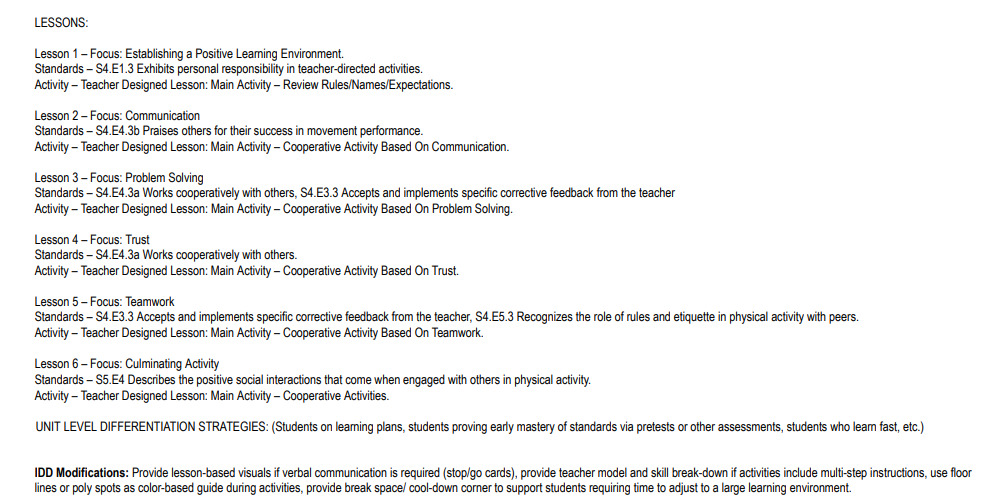
US Grade 3 Physical Education curriculum 2026: The landscape of physical education in the United States is continuously evolving, and the 2026 curriculum for Grade 3 exemplifies this progressive shift. Moving beyond traditional notions of “gym class,” the modern curriculum is a comprehensive, standards-based educational framework designed to develop the whole child. As educators strive to combat sedentary lifestyles and promote holistic well-being, the Grade 3 PE curriculum emerges as a pivotal stage where fundamental motor skills are refined, health concepts are introduced, and positive social-emotional habits are cultivated.
USA Grade 3 Physical Education Curriculum 2026
| Domain / Strand | Learning Objectives | Key Topics / Activities | Expected Outcomes |
|---|---|---|---|
| 1. Motor Skills & Movement Patterns | Develop competency in basic and advanced motor skills | Running, jumping, hopping, skipping, throwing, catching, striking, balance activities, dance movements | Students perform movements with control, coordination, and proper technique |
| 2. Movement Concepts & Strategies | Understand how movement works in different situations | Space awareness, pathways, levels, speed, force, teamwork strategies, game tactics | Students apply movement concepts in games and physical activities |
| 3. Health-Related Fitness | Build and maintain physical fitness | Warm-ups, stretching, endurance (running), strength (bodyweight exercises), flexibility, fitness circuits | Students identify and participate in activities that improve fitness (e.g., cardio endurance) |
| 4. Physical Activity & Lifestyle | Promote regular participation in physical activity | Daily exercise routines, moderate-to-vigorous activities, active play, fitness tracking | Students recognize importance of daily physical activity for health |
| 5. Personal & Social Behavior | Develop teamwork, respect, and responsibility | Group games, cooperation tasks, following rules, conflict resolution, sportsmanship | Students demonstrate respect, cooperation, and responsible behavior |
| 6. Value of Physical Activity | Understand the benefits of being active | Discussion on health benefits, enjoyment, self-expression, and stress relief | Students value physical activity for lifelong health and enjoyment |
| 7. Safety & Rules Awareness | Learn safety practices in physical activities | Use of equipment, safe movement, boundaries, class rules, signals | Students follow safety rules and demonstrate safe participation |
| 8. Assessment & Skill Development | Track progress and set goals | Fitness tests, skill observation, goal setting, self-assessment | Students monitor improvement and set personal fitness goals |
Key Features of Grade 3 PE Curriculum (USA)
- Focus on skill development + fitness + enjoyment
- Encourages 60 minutes of daily physical activity
- Builds motor skills, teamwork, and healthy habits
- Combines practical activities with basic theoretical understanding
- Assessment includes performance, participation, and behavior
Grade 3 Syllabus: The National Standards Framework
At the heart of the 2026 Grade 3 curriculum are the National Physical Education Standards, developed by SHAPE America, which define what a student should know and be able to do as a result of a highly effective physical education program . These standards provide a consistent framework across states and districts, ensuring that all students, regardless of location, have access to quality physical education that makes a positive difference in their health and well-being .
While the SHAPE America standards are national, states and districts adapt them to local contexts. For instance, the Florida Virtual School’s Grade 3 course covers safety, locomotor movements, throwing, catching, flexibility, cardiovascular health, and nutrition. Similarly, a Texas district’s overview details units on gym procedures, movement dynamics, locomotor skills, and fitness activities, demonstrating how districts implement the standards through specific units and learning objectives.
Standard 1: Mastering Motor Skills and Movement Patterns
The first standard focuses on competency in a variety of motor skills. In Grade 3, students refine the foundational skills learned in earlier years and begin combining them into more complex sequences. The emphasis is on developing a “mature pattern” for key movements, meaning students execute them with proper form, control, and efficiency.
One Oklahoma framework from 2026 shows that locomotor skills like running, hopping, jumping, galloping, skipping, and leaping are practiced within small-sided games, dance, and gymnastics. Students transition smoothly from one skill to another, creating sequences that demonstrate control and rhythm. For example, students might be asked to run and jump, run and throw overhand, or shuffle and catch, connecting two locomotor skills with a smooth transition.
Manipulative skills are another core component, with students demonstrating mature patterns in throwing (underhand and overhand), catching, kicking, and striking with implements. A key distinction for this grade level is the ability to apply these skills in dynamic environments. While previous years may have focused on stationary practice, third graders are expected to throw and catch with a moving partner and perform dribbling with control while moving in general space. They also explore striking objects with short and long implements (like paddles and hockey sticks) in small-sided game situations.
Additionally, students engage in rhythmic activities and dance, where they perform teacher-selected dance steps and movement patterns, creating and performing original dances. Gymnastics also plays a role, with students creating sequences that combine balance, weight transfer, and rolling.
Standard 2: Applying Knowledge of Movement Concepts
Standard 2 marks a significant cognitive leap for third graders. They are no longer just doing movements; they are learning why and how to apply them strategically. Students learn the concepts of space, including how to identify and use open space to their advantage in games. For instance, in a modified game, a student might dribble into open space to get away from a defender or move into a better position to receive a pass.
Other movement concepts include pathways, shapes, levels, speed, direction, and force. Students learn to vary the distance and force of a pass or shot and apply these concepts to game strategy, such as varying the direction of shots to outmaneuver opponents. The introduction of basic offensive and defensive strategies is also a key aspect, as students begin to grasp how to work as a team to achieve a common goal.
Standard 3: Achieving and Maintaining Health-Enhancing Fitness
Standard 3 aims to help students understand the value of physical activity for their health. A critical shift in 2026 is the explicit focus on health-related and skill-related fitness. Students are expected to discuss and differentiate between the two, identifying examples of activities that enhance each. For example, they might learn that running enhances cardiovascular endurance (health-related), while agility drills improve performance in games (skill-related).
Third graders also learn the importance of warm-up and cool-down routines and are introduced to the FITT principle (Frequency, Intensity, Time, and Type) as a framework for designing fitness plans. Students may track their activity outside of PE class, analyze their fitness assessment results, and, with teacher assistance, set goals for improvement. They also connect nutrition and hydration to physical activity and personal health, analyzing how food and water choices impact their performance and well-being. The goal is to actively engage in moderate-to-vigorous physical activity (MVPA) for at least 50% of class time, helping them achieve the 75-150 minutes of recommended weekly activity.
Standards 4 & 5: Social-Emotional Learning and Valuing Physical Activity
The 2026 curriculum places a strong emphasis on the affective domain, recognizing that physical education is an ideal setting for developing social and emotional skills. Standard 4 focuses on responsible personal and social behavior. By third grade, students are expected to:
-
Work cooperatively with others and demonstrate respect for peers and teachers.
-
Exhibit proper etiquette and adhere to safety procedures.
-
Accept and provide constructive feedback.
-
Encourage others and show good sportsmanship.
Standard 5 addresses the value of physical activity, aiming to foster lifelong motivation. Students are prompted to reflect on the challenge of learning new activities and discuss the positive social interactions that come from being active with others . They are encouraged to find enjoyment in physical activity and understand its personal relevance for their health and well-being .
Practical Applications: From the Gym to the Field
The 2026 curriculum concepts are brought to life through engaging, student-centered activities. For example, a unit titled “Field Day Prep & Multi-Event Skills” lets students revisit and refine movement skills like sprinting, jumping, and throwing in a fun, low-pressure environment. Such practice builds confidence and reinforces event rules, safety, and sportsmanship.
Through these experiences, students learn to be good teammates, using feedback for improvement and cooperating to achieve common goals. They also begin to make activity choices based on their interests and develop persistence when learning new skills.
Grade 3 Physical Education Syllabus PDF
Download a free PDF of US PE-Curriculum_Grade-3 PDF by clicking on this link.
Conclusion
The US Grade 3 Physical Education Curriculum of 2026 represents a dynamic and holistic approach to child development. It is far more than a class for physical activity; it is a structured educational experience that builds physical literacy, cognitive understanding, and social-emotional competence. By focusing on skill mastery, strategic thinking, health knowledge, and positive social interaction, the curriculum equips students with the tools and motivation they need to lead active, healthy, and fulfilling lives. This evidence-based, standards-aligned framework ensures that physical education is a vital and valued part of a child’s education, laying a strong foundation for a lifetime of wellness.
About The Author
