
The AP Assistant Professor syllabus is designed to assess candidates on both general academic aptitude and subject-specific expertise. Paper 1 focuses on General Studies, Teaching Aptitude, and Research Aptitude, evaluating skills such as reasoning, comprehension, communication, and higher education awareness. It aims to test a candidate’s suitability for teaching and research roles. Paper 2, on the other hand, is subject-specific and examines in-depth knowledge of the chosen discipline based on postgraduate-level concepts. Together, these papers ensure a balanced evaluation of both teaching ability and domain proficiency, making the selection process comprehensive and competitive for aspiring Assistant Professors.
AP Assistant Professor Syllabus 2026
The Andhra Pradesh Assistant Professor exam (APSET) is conducted to determine eligibility for teaching positions in universities and colleges. The AP Assistant Professor Syllabus is divided into two papers:
- Paper 1 – General Teaching & Research Aptitude (common for all)
- Paper 2 – Subject-Specific (based on the candidate’s PG subject)
Both papers are objective (MCQ-based) with no negative marking and are conducted in a single session.
AP Assistant Professor Exam Pattern 2026
| Paper | Subject | Questions | Marks | Duration |
|---|---|---|---|---|
| Paper 1 | General Aptitude | 50 | 100 | 1 hour |
| Paper 2 | Subject-Specific | 100 | 200 | 2 hours |
| Total | — | 150 | 300 | 3 hours |
- Each question carries 2 marks
- No negative marking
AP Assistant Professor Paper 1 Syllabus (General Studies & Teaching/Research Aptitude)
Paper 1 evaluates teaching ability, research skills, reasoning, and general awareness of higher education.
AP Assistant Professor Unit-wise Detailed Syllabus
1. Teaching Aptitude
- Nature and objectives of teaching
- Characteristics of learners
- Teaching methods (traditional & modern)
- Teaching aids and evaluation systems
- Factors affecting teaching-learning process
- Classroom management
Focus: Understanding how effective teaching works in real academic settings.
2. Research Aptitude
- Meaning and types of research
- Research methods (qualitative, quantitative)
- Steps of research process
- Research ethics and plagiarism
- Thesis writing & referencing styles
- ICT in research
Focus: Basics of academic research and methodology.
3. Reading Comprehension
- Passage-based questions
- Interpretation and inference
- Vocabulary and contextual meaning
Focus: Analytical reading ability.
4. Communication
- Types of communication (verbal & non-verbal)
- Barriers to communication
- Effective classroom communication
- Interpersonal communication
5. Mathematical Reasoning & Aptitude
- Number series
- Simplification
- Percentage, ratio, averages
- Basic quantitative aptitude
6. Logical Reasoning
- Analogies, classification
- Syllogism
- Venn diagrams
- Coding-decoding
- Statement & conclusion
7. Data Interpretation
- Tables, graphs, charts
- Data analysis
- Quantitative & qualitative data
8. Information & Communication Technology (ICT)
- Basics of computers
- Internet and digital tools
- E-learning platforms
- Cyber security basics
9. People, Development & Environment
- Sustainable development
- Environmental issues
- Pollution and conservation
- Human development index
10. Higher Education System
- Structure of Indian education system
- UGC, AICTE, NCTE roles
- Policies (NEP, etc.)
- Governance and administration
Paper 1 is designed to test overall academic aptitude and teaching readiness.
AP Assistant Professor Paper 2 Syllabus (Subject-Specific)
Paper 2 is based on the candidate’s chosen subject and carries maximum weight (200 marks).
Key Features
- 100 MCQs
- Based on the Postgraduate (PG) level syllabus
- Covers core concepts, theories, and applications
- Depth similar to the UGC NET standard
List of Major Subjects in Paper 2
Candidates can choose from 30+ subjects, such as:
- Commerce
- Economics
- English
- History
- Political Science
- Sociology
- Public Administration
- Management
- Computer Science
- Mathematical Sciences
- Physical Sciences
- Life Sciences
- Environmental Science
- Education
- Law
- Geography
- Psychology
- Hindi / Telugu / Sanskrit / Urdu
- Journalism & Mass Communication
- Philosophy
- Social Work
- Library Science
- Visual Arts
Each subject has its own detailed syllabus defined by the exam authority.
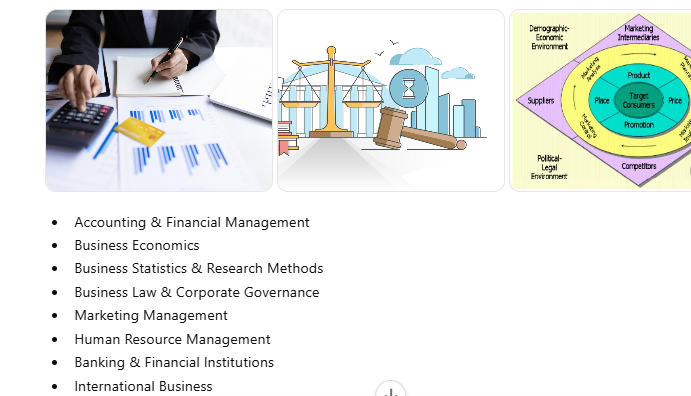
Commerce
- Accounting & Financial Management
- Business Economics
- Business Statistics & Research Methods
- Business Law & Corporate Governance
- Marketing Management
- Human Resource Management
- Banking & Financial Institutions
- International Business
Economics
- Microeconomics & Macroeconomics
- Econometrics
- Mathematical Economics
- Public Economics
- International Economics
- Growth & Development
- Indian Economy
English
- British, American & Indian Literature
- Literary Theory & Criticism
- Linguistics & Phonetics
- Comparative Literature
- Cultural Studies
History
- Ancient, Medieval & Modern India
- World History
- Historiography
- Archaeology & Sources
Political Science
- Political Theory
- Indian Government & Politics
- Comparative Politics
- International Relations
- Public Administration
Sociology
- Sociological Theories
- Indian Society
- Social Change & Development
- Research Methods
Public Administration
- Administrative Theory
- Indian Administration
- Public Policy
- Governance & Development
Management
- Principles of Management
- Organizational Behaviour
- HRM
- Marketing, Finance & Operations
- Strategic Management
Computer Science
- Programming & Data Structures
- Algorithms
- Computer Networks
- DBMS
- Operating Systems
- Software Engineering
Mathematical Sciences
- Algebra, Linear Algebra
- Calculus & Real Analysis
- Differential Equations
- Complex Analysis
- Probability & Statistics
Physical Sciences
- Mathematical Physics
- Classical Mechanics
- Quantum Mechanics
- Thermodynamics
- Electromagnetism
- Optics
Life Sciences
- Cell Biology
- Genetics & Evolution
- Biochemistry
- Ecology
- Plant & Animal Physiology
Environmental Science
- Ecology & Environment
- Natural Resources
- Pollution & Control
- Environmental Policies
- Climate Change
Education
- Educational Philosophy
- Psychology of Learning
- Curriculum Studies
- Teacher Education
- Educational Technology
Law
- Constitutional Law
- Criminal Law
- Law of Contracts
- Jurisprudence
- Public International Law
Geography
- Physical Geography
- Human Geography
- Indian Geography
- GIS & Remote Sensing
Psychology
- Cognitive Psychology
- Developmental Psychology
- Social Psychology
- Research Methods
- Psychological Testing
Languages (Hindi / Telugu / Sanskrit / Urdu)
- Literature (Ancient to Modern)
- Grammar & Linguistics
- Literary Criticism
- Translation Studies
Journalism & Mass Communication
- Communication Theories
- Journalism & Reporting
- Media Laws & Ethics
- Advertising & PR
- Digital Media
Philosophy
- Indian Philosophy
- Western Philosophy
- Logic
- Ethics
- Contemporary Philosophy
Social Work
- Social Work Methods
- Social Welfare & Policy
- Human Behaviour
- Community Development
Library Science
- Library Management
- Information Science
- Cataloguing & Classification
- ICT in Libraries
Visual Arts
- Art History
- Drawing & Painting
- Sculpture & Design
- Aesthetics
Subject-Wise Syllabus Structure (General Pattern)
Although subjects differ, most follow this structure:
1. Core Concepts
- Fundamental theories and principles
- Definitions and terminologies
2. Advanced Topics
- Analytical and application-based topics
- Contemporary developments
3. Practical/Application Areas
- Case studies
- Problem-solving (especially in science/commerce subjects)
4. Research Orientation
- Subject-specific research methods
- Recent trends and innovations
Example: Subject-Wise Approach
Commerce
- Accounting, auditing
- Business environment
- Financial management
- Marketing
English
- Literary theory
- British & Indian literature
- Criticism
- Linguistics
Political Science
- Political theory
- Indian politics
- International relations
- Public administration
The depth is Master’s degree level, so conceptual clarity is crucial.
Preparation Strategy (Important for Both Papers)
For Paper 1:
- Focus on concept + practice (MCQs)
- Cover all 10 units equally
- Practice previous year questions
For Paper 2:
- Study PG-level books
- Focus on core subjects + PYQs
- Make short notes for revision
Key Takeaways
- Paper 1 = General Aptitude (100 marks)
- Paper 2 = Subject Knowledge (200 marks)
- No negative marking
- Paper 2 is decisive for selection
- Syllabus aligns closely with the UGC NET pattern
Conclusion
The AP Assistant Professor syllabus is designed to assess both teaching aptitude and subject expertise. While Paper 1 builds a foundation in research and education systems, Paper 2 tests in-depth knowledge of your specialization. A balanced preparation strategy covering both conceptual clarity and practice is essential to qualify successfully.
About The Author
