
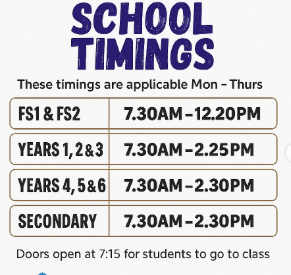
The escalating conflict between the United States and Iran in 2026 has had far-reaching consequences across the Middle East, including significant disruptions to education systems in the United Arab Emirates (UAE). While the UAE is not the central battlefield, its strategic location and involvement in regional security have directly influenced school operations, timing, and learning methods.
UAE School Timing Change Background: Rising Tensions and Regional Impact
The ongoing conflict intensified in mid-2026, with missile strikes, drone attacks, and naval blockades affecting key areas like the Strait of Hormuz. Gulf countries, including the UAE, experienced indirect attacks and heightened security alerts.
This volatile environment forced governments to prioritize civilian safety—especially for school children—leading to major changes in school schedules and functioning.
Changes in UAE School Timing During the War
1. Shift to Distance Learning
One of the most significant changes was the temporary closure of physical schools and the transition to online classes.
- UAE authorities directed schools to switch to remote learning during high-risk periods.
- In some phases, all schools and universities were closed “until further notice” as a precaution.
This effectively eliminated traditional school timings and replaced them with flexible online schedules.
2. Flexible Online Class Schedules
During remote learning periods:
- Schools adopted shorter, flexible class hours (often morning sessions only).
- Assemblies and extracurricular activities were minimized.
- Focus shifted to core academic subjects with reduced screen time for students.
3. Temporary School Closures & Alerts
At peak tension:
- Schools were fully shut during missile alerts and air defense operations.
- Emergency advisories instructed parents to keep children at home.
- Some exam schedules (including CBSE exams in the UAE) were postponed or rescheduled.
4. Extended Remote Learning Periods
The UAE government extended online learning multiple times:
- Distance education continued for weeks after reopening dates due to safety concerns.
- In certain cases, online classes were extended until mid-April 2026.
5. Gradual Return to Normal Timings
When the situation stabilized temporarily:
- Schools reopened with modified timings and strict safety protocols.
- Shorter school days and staggered attendance were introduced.
- Normal schedules resumed only after security conditions improved.
Why UAE School Timings Were Affected
Several key factors led to these changes:
- Security threats: Missile and drone attacks in the Gulf region created safety risks.
- Airspace restrictions: Disruptions affected transport and daily routines.
- Government advisories: Authorities prioritized child safety over regular schooling.
- Psychological impact: Flexible schedules helped reduce stress among students and parents.
Impact on Students and Education
The disruption of school timings had both challenges and adaptations:
- Learning continuity maintained through digital platforms
- Increased reliance on technology for education
- Reduced classroom interaction affecting social development
- Improved emergency preparedness in education systems
UAE School Timing Changes During Iran–US Conflict (2026)
| Phase / Situation | School Timing / Schedule Change | Mode of Learning | Duration | Reason / Trigger |
|---|---|---|---|---|
| Pre-Conflict (Normal Schedule) | Standard school hours (approx. 7:30 AM – 2:30 PM) | Physical classes | Ongoing until Feb 2026 | Regular academic calendar followed nationwide |
| Initial Escalation (Late Feb 2026) | Schools temporarily closed (2–4 March) | Fully online | 3 days | Missile threats and regional instability |
| Early War Response (March 2026) | Suspension of physical classes | Distance learning | Short-term (few days to weeks) | Rising tensions and precautionary safety measures |
| Mid-March Intensification | Schools reopen but continue remote learning | Hybrid / Online | ~2 weeks after reopening | Drone attacks and safety concerns across UAE |
| High-Risk Periods (March–April 2026) | Physical campuses closed in some areas | Fully online nationwide | Extended (uncertain duration) | “Abundance of caution” due to ongoing attacks |
| Severe Security Alerts (Missile/Drone Activity) | Possible same-day closure or early dismissal | Emergency remote learning | Short-term (day-to-day basis) | Air defense activation, sirens, or nearby incidents |
| Stabilization Phase | Gradual return to normal timings | Hybrid → Physical | Phased reopening | Improved security and reduced attacks |
| Current / Adaptive Model (Ongoing Conflict) | Flexible timings (shorter hours if needed) | Hybrid (online + in-person) | Ongoing | Preparedness for sudden escalation |
Key Takeaways
- UAE did not rely only on timing changes—instead, it heavily shifted to online learning for safety.
- Short-term disruptions (closures, early dismissals) occurred during missile or drone alerts.
- The system evolved into a flexible hybrid model, allowing quick switching between physical and remote learning.
- These measures were necessary as the UAE faced direct and indirect attacks during the conflict, including missile interceptions and drone strikes.
Conclusion
The Iran–US war in 2026 significantly disrupted school timings in the UAE, shifting education from structured classroom schedules to flexible, safety-driven learning models. From complete closures to online classes and modified timings, the UAE education system demonstrated resilience and adaptability. While the conflict posed serious challenges, it also accelerated digital learning adoption and crisis management strategies, shaping the future of education in the region.
About The Author
