



A syllabus is a document that outlines the structure, content, policies, and expectations for a course or academic program. It serves as a guide for both instructors and students, providing important details about the course and its requirements. Typically, a syllabus includes:
Syllabus Contains
- Course Information: Title, course code, semester, instructor’s name, contact information, office hours, and sometimes class location and schedule.
- Course Description: A brief overview of what the course covers, including its objectives and learning outcomes.
- Required Materials: A list of textbooks, articles, or other resources students need.
- Course Schedule: A week-by-week or session-by-session breakdown of topics to be covered, including important dates for exams, assignments, or project deadlines.
- Grading Policy: Information on how students will be assessed, including the weight of assignments, exams, quizzes, participation, etc.
- Assignments and Assessments: A description of the types of assignments, their format, submission deadlines, and grading criteria.
- Course Policies: Rules about attendance, late submissions, academic honesty, participation, and any other guidelines the instructor sets for the course.
- Learning Objectives: Clear statements of what students are expected to learn or achieve by the end of the course.
In essence, a syllabus is a roadmap for a course, providing students with clear expectations and helping them manage their time and studies effectively.
Syllabus: Meaning and Importance
A syllabus is one of the most essential components of any educational system. Whether a student is preparing for school exams, competitive tests, or professional courses, the syllabus acts as a roadmap that guides learning. It provides clarity about what to study, how much to study, and the objectives of a course. Understanding the meaning and importance of a syllabus helps students plan effectively and achieve better academic outcomes.
What is a Syllabus? (Meaning)
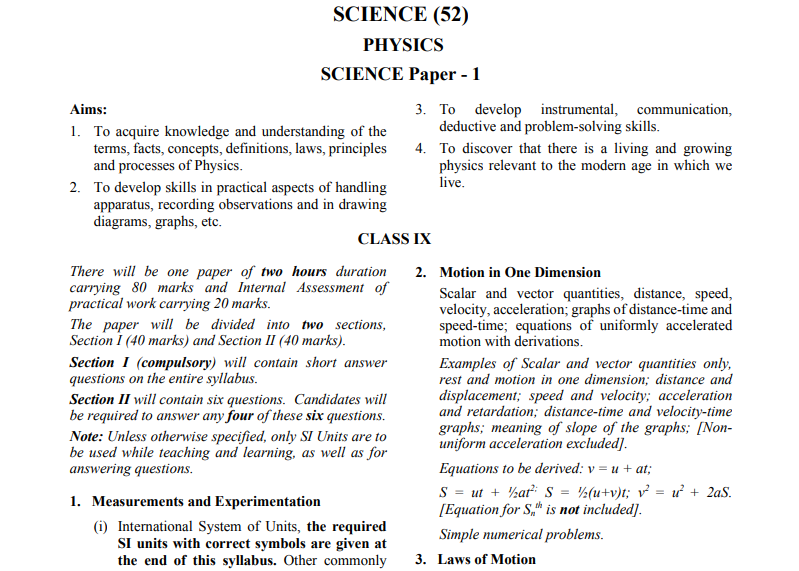
A syllabus is a structured outline or framework of topics, subjects, and concepts that are prescribed for a particular course, class, or examination. It is usually designed by educational boards, institutions, or examination authorities.
Key Features of a Syllabus:
- Defined Content: Lists all subjects and topics to be covered
- Course Objectives: Explains the purpose and goals of learning
- Time Allocation: Suggests how much time to spend on each topic
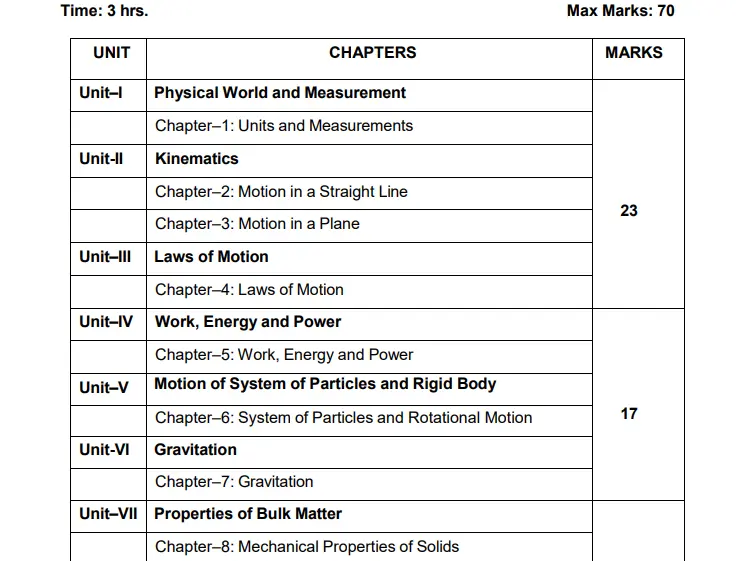
- Evaluation Criteria: Includes exam pattern, marking scheme, and assessment methods
In simple terms, a syllabus tells students what they need to learn during a specific period.
Types of Syllabus
Different educational systems use different types of syllabi depending on their goals:
1. Subject-wise Syllabus
Each subject (Maths, Science, History, etc.) is divided into chapters and topics.
2. Exam-based Syllabus
Used in competitive exams, focusing on topics relevant to the test.
3. Skill-based Syllabus
Focuses on developing practical skills rather than theoretical knowledge.
4. Semester-wise Syllabus
Divided across semesters in colleges and universities.
Importance of a Syllabus
The syllabus plays a crucial role in both teaching and learning. Its importance can be understood in the following ways:
1. Provides Direction and Structure
A syllabus acts as a guide, helping students understand what to study and in what sequence. Without it, learning can become unorganized and confusing.
2. Helps in Effective Planning
Students can create a proper study schedule based on the syllabus. It allows them to:
- Allocate time to each subject
- Prioritize important topics
- Avoid last-minute stress
3. Clarifies Learning Objectives
It clearly defines what students are expected to learn by the end of the course. This improves focus and goal-setting.
4. Improves Exam Preparation
Since exams are based on the syllabus, knowing it thoroughly helps students:
- Avoid studying irrelevant topics
- Focus on high-weightage areas
- Practice according to the exam pattern
5. Ensures Uniform Education
A standardized syllabus ensures that all students studying under a particular board or institution receive the same level of education.
6. Helps Teachers in Teaching
Teachers use the syllabus to:
- Plan lessons
- Set question papers
- Track student progress
7. Reduces Anxiety
When students know exactly what to study, it reduces confusion and anxiety, especially during exams.
Role of Syllabus in Competitive Exams
In competitive exams like SSC, UPSC, Banking, or State-level exams, the syllabus is even more important because:
- It is vast but specific
- Helps in identifying important topics
- Guides in selecting the right study material
- Assists in revision and mock test planning
A clear understanding of the syllabus can significantly improve the chances of success.
How to Use a Syllabus Effectively
To get the maximum benefit from a syllabus, students should:
- Read it thoroughly before starting preparation
- Break it into smaller sections for easy study
- Highlight important topics
- Track progress regularly
- Revise according to the syllabus
- Align preparation with exam pattern
Conclusion
A syllabus is much more than just a list of topics—it is a strategic tool for success in education. It provides direction, improves planning, and enhances learning efficiency. Students who understand and follow the syllabus properly are more likely to stay organized, confident, and well-prepared for exams. Therefore, knowing the meaning and importance of a syllabus is the first step toward achieving academic excellence.