
India First Air Taxi: India is entering the futuristic world of Urban Air Mobility (UAM) with the development of its first air taxi prototype, based on eVTOL (Electric Vertical Take-Off and Landing) technology. These aircraft promise to revolutionize how people commute in crowded cities like Delhi, Mumbai, and Bengaluru by taking transportation to the skies.
What is an eVTOL Air Taxi?
An eVTOL aircraft is a new type of electric-powered flying vehicle that can take off and land vertically, just like a helicopter, but operates with multiple rotors and battery-powered propulsion systems.
Key Concept:
- No runway required
- Fully electric or hybrid-powered
- Designed for short-distance urban travel
- Can be piloted or autonomous (future goal)
How India’s Air Taxi Prototype Works
The working mechanism of India’s eVTOL air taxi is based on advanced aerospace and electric propulsion technologies:
1. Vertical Take-Off
- Multiple rotors generate lift
- Aircraft rises vertically like a drone
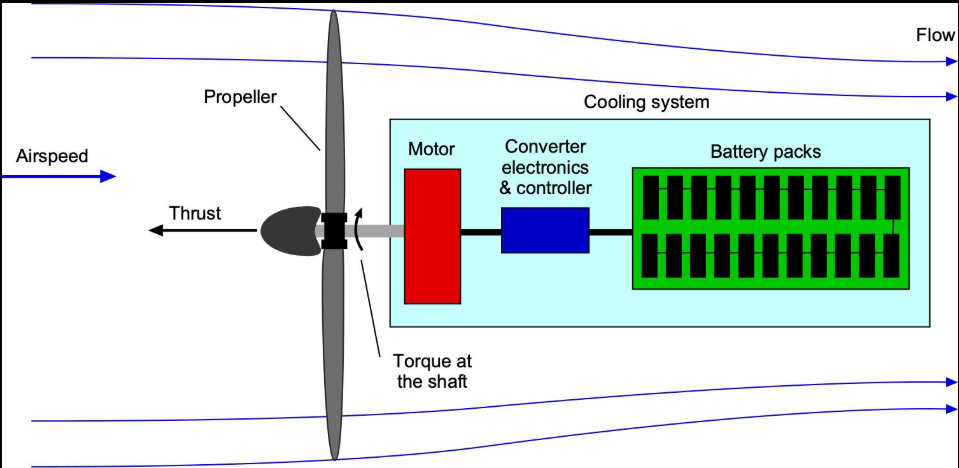
2. Electric Propulsion System
- Powered by high-capacity lithium-ion batteries
- Drives electric motors connected to propellers
3. Transition Flight
- Aircraft tilts forward after takeoff
- Moves from vertical lift to horizontal cruise mode
4. Landing Phase
- Slows down and reorients vertically
- Lands safely in compact spaces (vertiports)
Key Features of India’s eVTOL Air Taxi
- Zero Emissions: Fully electric, eco-friendly
- Low Noise: Quieter than helicopters
- Compact Design: Ideal for urban environments
- Quick Charging: Fast battery recharge systems
- Autonomous Capability: Future-ready AI navigation
- Safety Systems: Redundant motors and fail-safe design
Benefits of Air Taxi in India
1. Reduces Traffic Congestion
Major Indian cities face heavy traffic. Air taxis can cut travel time from hours to minutes.
2. Environment-Friendly
Electric propulsion reduces:
- Carbon emissions
- Air pollution
3. Time Efficiency
Example:
- Delhi to Gurugram commute → reduced from 1.5 hours to ~10–15 minutes
4. Boosts Urban Mobility
Supports smart city initiatives and improves connectivity.
5. Economic Growth
- Creates new jobs in aviation tech
- Encourages startups and innovation
Challenges Facing eVTOL Air Taxis in India
Major Challenges:
1. Infrastructure Development
- Need for vertiports (takeoff/landing hubs)
- Charging stations and maintenance facilities
2. Battery Limitations
- Limited range (currently 100–300 km)
- Long charging time challenges
3. Regulatory Framework
- Airspace management
- Safety certifications by aviation authorities
4. High Initial Cost
- Expensive technology and manufacturing
- Ticket pricing concerns for mass adoption
5. Public Acceptance & Safety
- Trust in autonomous flying vehicles
- Safety concerns in dense urban areas
Key Players in India’s Air Taxi Development
Several Indian startups and companies are actively working on eVTOL technology:
- The ePlane Company (IIT Madras)
- JetSetGo Aviation Services
- IndiGo (InterGlobe Enterprises) – exploring partnerships
- Government of India – policy and regulatory support
Future of Air Taxis in India
India aims to launch commercial air taxi services by 2026–2030 in major metro cities. With advancements in:
- Battery technology
- Artificial intelligence
- Smart city infrastructure
Air taxis could soon become a common mode of transport, just like app-based cabs today.
India vs Global eVTOL Air Taxi Projects: India’s eVTOL Initiatives
India is emerging as a fast-growing player in urban air mobility through collaborations and startups.
Key Players
- InterGlobe Enterprises (IndiGo) + Archer Aviation
- The ePlane Company
- IIT Madras
Focus Areas
- Airport-to-city air taxi services
- Short urban commutes (20–50 km)
- Cost-effective mass adoption (not just luxury)
Global Leaders in eVTOL
Major Global Companies
- Joby Aviation (USA)
- Lilium (Germany)
- Volocopter (Germany)
- Archer Aviation (USA)
Side-by-Side Comparison
| Feature | 🇮🇳 India eVTOL | Global Leaders |
|---|---|---|
| Development Stage | Prototype + early testing | Advanced testing + pre-commercial |
| Commercial Launch | Expected 2026–2028 | Some launching 2025–2026 |
| Technology | Imported + indigenous mix | Highly advanced proprietary tech |
| Focus Market | Affordable urban transport | Premium urban mobility first |
| Infrastructure | Under development (vertiports) | Being built in US, Europe, UAE |
| Regulation | Still evolving | More mature frameworks (FAA/EASA) |
| Cost Strategy | Mass adoption | Premium early adopters |
Key Differences Explained
1. Market Strategy
- India: Focus on affordability + scale
- Global: Focus on premium early adoption, then scale
2. Technology Maturity
- Global companies already:
- Conducting piloted flights
- Near certification
- India:
- Still in prototype + partnership phase
3. Infrastructure Readiness
- Cities like:
- Dubai
- Los Angeles
are already building vertiports
- India is just starting in:
- Delhi
- Mumbai
- Bengaluru
Timeline: Air Taxi Launch in India
Phase 1: Prototype & Testing (2023–2025)
- eVTOL prototypes developed by Indian startups
- Partnerships like IndiGo + Archer announced
- Initial DGCA discussions begin
Phase 2: Pilot Projects (2025–2026)
- Trial flights in major cities
- Airport shuttle routes tested
- Early vertiport construction begins
Phase 3: Limited Commercial Launch (2026–2027)
- Likely launch routes:
- Delhi Airport → Gurgaon
- Mumbai Airport → Navi Mumbai
- Bengaluru Airport → City
- Ticket pricing: Premium but competitive with luxury taxis
Phase 4: Expansion & Scaling (2027–2030)
- Expansion to Tier-1 & Tier-2 cities
- Prices gradually decrease
- Integration with metro & airport systems
Future Outlook
India’s Strengths
- Massive urban population
- Growing aviation market
- Strong IT & engineering talent
Challenges Ahead
- Regulatory approvals
- Infrastructure investment
- Public acceptance
Final Insight
India may start later than global leaders, but it has the potential to scale faster due to:
- High demand
- Cost-focused innovation
- Government push for smart mobility
In simple terms:
Global players will lead the first wave, but India could win the mass adoption race.
Conclusion
India’s first eVTOL air taxi prototype marks a significant step toward next-generation transportation. While there are challenges in infrastructure, cost, and regulations, the potential benefits—such as reduced congestion, faster travel, and cleaner air—make it a transformative innovation. With strong government support and private sector innovation, India is on track to become a key player in the global urban air mobility revolution.
About The Author
