
Pediatric Nurse Salary 2026: Pediatric nurses, also known as children’s nurses or paediatric nurses, specialize in caring for infants, children, and adolescents. Their work involves assessing development, administering treatments, supporting families, and managing conditions ranging from routine illnesses to critical care in units such as NICU or PICU. Salaries in 2026 vary significantly by country due to differences in healthcare systems, cost of living, experience requirements, shift differentials, and local demand. This article provides a detailed overview of average annual and monthly earnings, factors influencing pay, and career considerations for these five countries. Figures are approximate gross amounts based on 2025–2026 data from salary surveys, official pay scales, and industry reports; actual take-home pay depends on taxes, benefits, overtime, and location.
Pediatric Nurse Roles and Salary Influences in 2026
Pediatric nursing demands specialized knowledge of child physiology, growth milestones, family-centered care, and age-appropriate communication. Nurses typically hold a registered nurse (RN) qualification plus pediatric-focused training or experience. In 2026, global nursing shortages continue to support competitive pay, especially in high-demand specialties like intensive care. Experience level is a primary driver: entry-level roles start lower, while those with 5–10+ years or certifications (such as pediatric advanced life support) earn substantially more. Location within a country matters—urban hospitals or high-cost cities often pay premiums. Additional earnings come from night shifts, weekends, holidays, overtime, and bonuses. Public sector roles (NHS, public hospitals) follow structured scales, while private or specialist positions may offer higher base rates or flexibility. Cost of living, tax systems, and superannuation or pension contributions further affect net monthly income. Demand remains strong due to rising pediatric healthcare needs and an aging general nursing workforce in many regions.
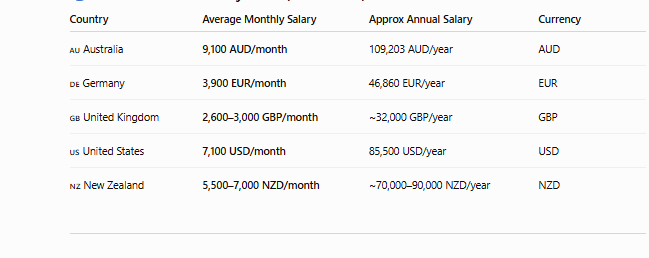
| Country | Average Monthly Salary | Approx Annual Salary | Currency |
|---|---|---|---|
| Australia | 9,100 AUD/month | 109,203 AUD/year | AUD |
| Germany | 3,900 EUR/month | 46,860 EUR/year | EUR |
| United Kingdom | 2,600–3,000 GBP/month | ~32,000 GBP/year | GBP |
| United States | 7,100 USD/month | 85,500 USD/year | USD |
| New Zealand | 5,500–7,000 NZD/month | ~70,000–90,000 NZD/year | NZD |
Key Insights (2026)
- USA offers the highest salaries for pediatric nurses (~$7,125/month average)
- Australia is also highly competitive with ~9,100 AUD/month
- Germany salaries are moderate (~3,905 EUR/month)
- UK salaries are lower due to NHS band structure (~£32K/year)
- New Zealand offers balanced pay + work-life benefits, though slightly lower than Australia
Important Note
- Salaries mentioned are gross (before tax)
- Night shifts, ICU specialization, and experience can increase pay significantly
- Cost of living (rent, tax) varies widely—especially in USA, UK, and Australia
Pediatric Nurse Salary in the USA (2026)
In the United States, pediatric registered nurses earn an average annual salary of approximately $84,000 to $90,500 in 2026, translating to roughly $7,000–$7,540 per month before taxes and deductions. Entry-level positions (0–2 years) typically range from $60,000–$75,000 annually, or about $5,000–$6,250 monthly. Mid-career nurses with 5–10 years of experience often reach $86,000–$98,500 per year ($7,170–$8,210 monthly), while senior nurses with 10+ years can earn $98,500–$118,000 or more ($8,210–$9,830 monthly). Top 10% earners and those in high-cost states exceed $124,000 annually. Subspecialties significantly boost pay: PICU nurses average around $104,000 ($8,670 monthly), pediatric ER about $93,000, and pediatric oncology or cardiac roles often near $95,000–$98,000. California leads with averages near $129,000 due to staffing ratios and cost of living, followed by Hawaii, Massachusetts, and Washington. Shift differentials for nights and weekends, plus overtime, can add thousands to annual totals. Benefits frequently include health insurance, retirement contributions, and tuition reimbursement. Net monthly pay after federal and state taxes typically falls in the $5,000–$7,000 range depending on location and filing status, with higher take-home in no-income-tax states like Texas. Overall, the USA offers some of the highest absolute salaries among the compared countries, though living costs in major cities can offset gains.
Pediatric Nurse Salary in Australia (2026)
Australian paediatric nurses earn an average of about AUD 91,700 to AUD 111,600 annually in 2026, equating to roughly AUD 7,640–$9,300 per month gross. Entry-level roles start around AUD 79,500–$81,000 (approximately AUD 6,625–$6,750 monthly), while mid-level nurses average AUD 91,000–$100,000 (AUD 7,600–$8,330 monthly). Senior nurses with 8+ years of experience can reach AUD 125,000–$133,000 or higher (AUD 10,400–$11,100 monthly). State-based Enterprise Bargaining Agreements influence rates; for example, experienced registered nurses in New South Wales or Queensland often fall in the AUD 96,000–$108,000 range. Western Australia and the Northern Territory tend to offer higher figures, sometimes exceeding AUD 116,000–$121,000, partly due to remote allowances. Shift penalties for evenings, nights, and weekends substantially increase total earnings. Superannuation contributions (around 11.5%) sit on top of base pay and support long-term savings. Public hospital roles provide structured progression, while private or specialist pediatric units may add premiums. After income tax, monthly take-home for an average earner often ranges from AUD 5,500–$7,500, varying by state and deductions. Strong demand in major cities and regional areas, combined with skilled migration pathways, makes Australia an attractive destination for internationally qualified nurses seeking competitive pay and lifestyle benefits.
Pediatric Nurse Salary in Germany (2026)
In Germany, Gesundheits- und Kinderkrankenpfleger (pediatric nurses) earn an average gross annual salary of approximately €41,600 to €57,000 in 2026, corresponding to roughly €3,470–$4,750 per month. Median monthly figures often sit around €3,900–$4,600, with official data showing medians near €4,587 for full-time roles. Entry-level positions after training typically start at €3,100–$3,500 monthly (€37,000–$42,000 annually). With 3–8 years of experience, earnings rise to about €3,500–$4,000 monthly, and those with over 8 years can reach €4,500 or more, sometimes approaching €5,000 with allowances. Public sector roles follow TVöD-P scales (e.g., P7–P10 groups), starting near €3,400–$3,900 in lower steps and climbing with seniority. Shift premiums for nights, weekends, and holidays add €300–$600 monthly. Regional differences exist, with higher pay in southern states such as Baden-Württemberg or Bavaria and cities like Munich. After social contributions (health, pension, unemployment insurance) and income tax, net monthly pay commonly falls between €2,100–$2,800 for mid-level earners. Germany emphasizes structured training and EU mobility, offering job security and comprehensive benefits, though overall gross figures are lower than in English-speaking countries. Specialization and leadership roles provide clear progression paths toward higher earnings.
Pediatric Nurse Salary in the UK (2026)
Paediatric nurses in the UK, primarily employed under the NHS Agenda for Change framework, earn Band 5 salaries of £32,073–$39,043 annually in 2026/27 (after the uplift), or about £2,670–$3,250 per month gross. Newly qualified nurses start at the lower end (£32,073 or roughly £2,670 monthly). With 2–4 years of experience they progress to intermediate points around £34,500–$35,000, and at the top of Band 5 they reach £39,043 (£3,250 monthly). Many advance to Band 6 (£39,959–$48,117 annually, or £3,330–$4,010 monthly) after gaining specialist skills or senior staff nurse responsibilities. Band 7 roles (ward managers or clinical specialists) range from £49,387–$56,515 (£4,115–$4,710 monthly). Average earnings for experienced paediatric nurses often sit between £35,000–$48,000. London weighting or high-cost area supplements add extra pay. Unsocial hours enhancements for nights, weekends, and bank holidays significantly boost take-home figures. After tax, National Insurance, and pension contributions, net monthly pay for a Band 5 starter is typically around £2,000–$2,200, rising with experience and enhancements. Scotland, Wales, and Northern Ireland have slight variations, often with modestly higher base rates in Scotland. Private sector or agency work can offer higher rates but less security. The structured banding system provides transparent progression for career development.
Pediatric Nurse Salary in New Zealand (2026)
In New Zealand, pediatric or child health nurses earn an average of approximately NZD 100,000–$101,000 annually in 2026, equating to about NZD 8,330–$8,420 per month gross. The public-sector Multi-Employer Collective Agreement (MECA) sets clear steps for registered nurses: new graduates start near NZD 75,000–$77,700 (roughly NZD 6,250–$6,475 monthly). Progression leads to mid-steps around NZD 90,000–$100,000 (NZD 7,500–$8,330 monthly) after several years, and top steps for experienced nurses reach NZD 106,000–$109,000 or higher (NZD 8,830–$9,100 monthly). Specialist pediatric roles, including those at major children’s hospitals, often fall in the NZD 90,000–$120,000 range when including allowances. Penal rates for nights, weekends, and public holidays, plus professional development recognition payments, can push total remuneration higher—sometimes by NZD 10,000–$20,000 annually. Auckland and other main centers tend to have more opportunities and slightly elevated packages due to demand. After tax and ACC levies, monthly take-home for an average earner typically ranges from NZD 5,500–$7,000. New Zealand’s Green List pathways support international recruitment of child health nurses, and the country offers a high quality of life alongside competitive public-sector pay scales with regular increments based on service.
Factors Affecting Pediatric Nurse Salaries Across Countries and Career Tips
Across all five countries, experience, specialty certification, geographic location, and work setting (public hospital, private clinic, or intensive care) remain the strongest predictors of higher monthly pay. Additional income from overtime, on-call duties, and shift differentials can increase effective earnings by 10–30%. Cost of living adjustments are essential when comparing figures—higher salaries in the USA or Australia may not stretch as far in expensive cities as lower nominal pay does in Germany or parts of the UK. Tax systems and mandatory contributions (superannuation in Australia, social insurance in Germany, NHS pension in the UK) reduce net monthly income but provide valuable long-term benefits. In 2026, ongoing workforce shortages support continued demand and potential for pay growth or signing bonuses in many regions. To maximize earnings, nurses should pursue pediatric-specific credentials, gain critical care experience, consider relocation to high-demand or high-pay areas, and negotiate based on current market data. Continuous professional development and leadership roles open pathways to senior or advanced practice positions with substantially higher compensation. Prospective international nurses should research registration requirements (AHPRA in Australia, NMC in the UK, Nursing Council in New Zealand, etc.) and visa pathways early.
Pediatric Nurse Salary 2026 (Per Hour Comparison)
| Country | Average Hourly Pay (Local Currency) | Approx. USD Equivalent | Notes |
|---|---|---|---|
| USA | $38 – $54/hour | $38 – $54 | High demand; varies by state & experience |
| UK | £16 – £25/hour | $20 – $32 | NHS Band 5–7 nurses |
| Australia | AU$38 – AU$55/hour | $25 – $36 | Higher with overtime & weekend shifts |
| Germany | €18 – €28/hour | $20 – $30 | Depends on hospital & experience |
| New Zealand (NZ) | NZ$30 – NZ$45/hour | $18 – $27 | Standardized union pay scale |
Conclusion: Choosing the Right Destination for Pediatric Nursing Careers
Pediatric nursing remains a rewarding specialty with solid earning potential in 2026. The USA generally offers the highest absolute monthly figures, followed by Australia and New Zealand, while the UK and Germany provide structured progression, strong benefits, and job security within public systems. Monthly take-home pay ultimately depends on individual circumstances, including experience, location, and lifestyle preferences. Nurses evaluating opportunities should weigh salary against living costs, work-life balance, family considerations, and long-term career growth. With global demand for skilled pediatric nurses remaining high, professionals in this field are well-positioned to secure competitive compensation and meaningful work caring for the next generation. Always verify the latest official pay scales and local conditions, as figures can shift with new agreements or economic changes.
About The Author
